

The Future of Technology: 8 Forces Reshaping 2026
From agentic AI to quantum leaps — where the next decade is already being written.
Every year the word "revolution" gets attached to a dozen technologies that quietly fade by spring. 2026 is different in one respect: several long-simmering shifts are crossing the line from demo to deployment at the same time. Here are the eight that actually matter — and why.
1. Agentic AI moves from chat to action
The last wave of AI answered questions. This wave does work. Agentic systems plan multi-step tasks, call tools, and verify their own output before handing it back. The interesting part is not the model — it is the harness around it: memory, permissions, and the ability to recover from failure.
The best AI product of 2026 will not be the smartest model. It will be the one that fails gracefully.
— A common refrain among ML engineers
2. Compute moves to the edge
Latency, privacy, and cost are pushing inference out of the datacenter and onto the device in your pocket. Small, specialized models running locally now handle the 80% case; the cloud is reserved for the hard 20%.
- On-device models cut round-trip latency to near zero
- Sensitive data never leaves the device
- Offline-first becomes a realistic default, not a fallback
- Cloud spend drops because only hard queries escalate
Why it matters
Edge-first design changes your architecture, not just your bill. Plan for intermittent connectivity and model versioning on the client from day one.
3. Robotics finally leaves the lab
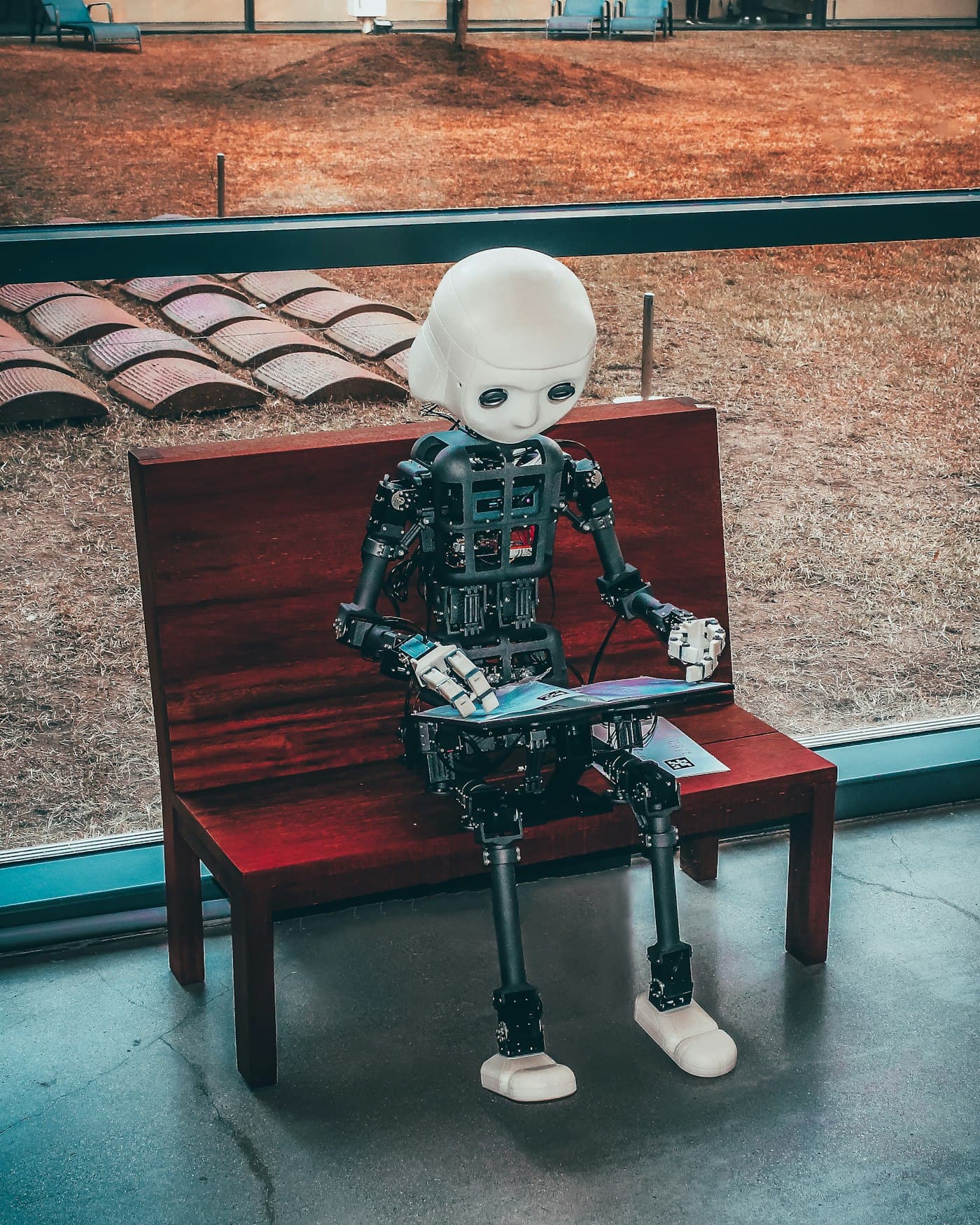
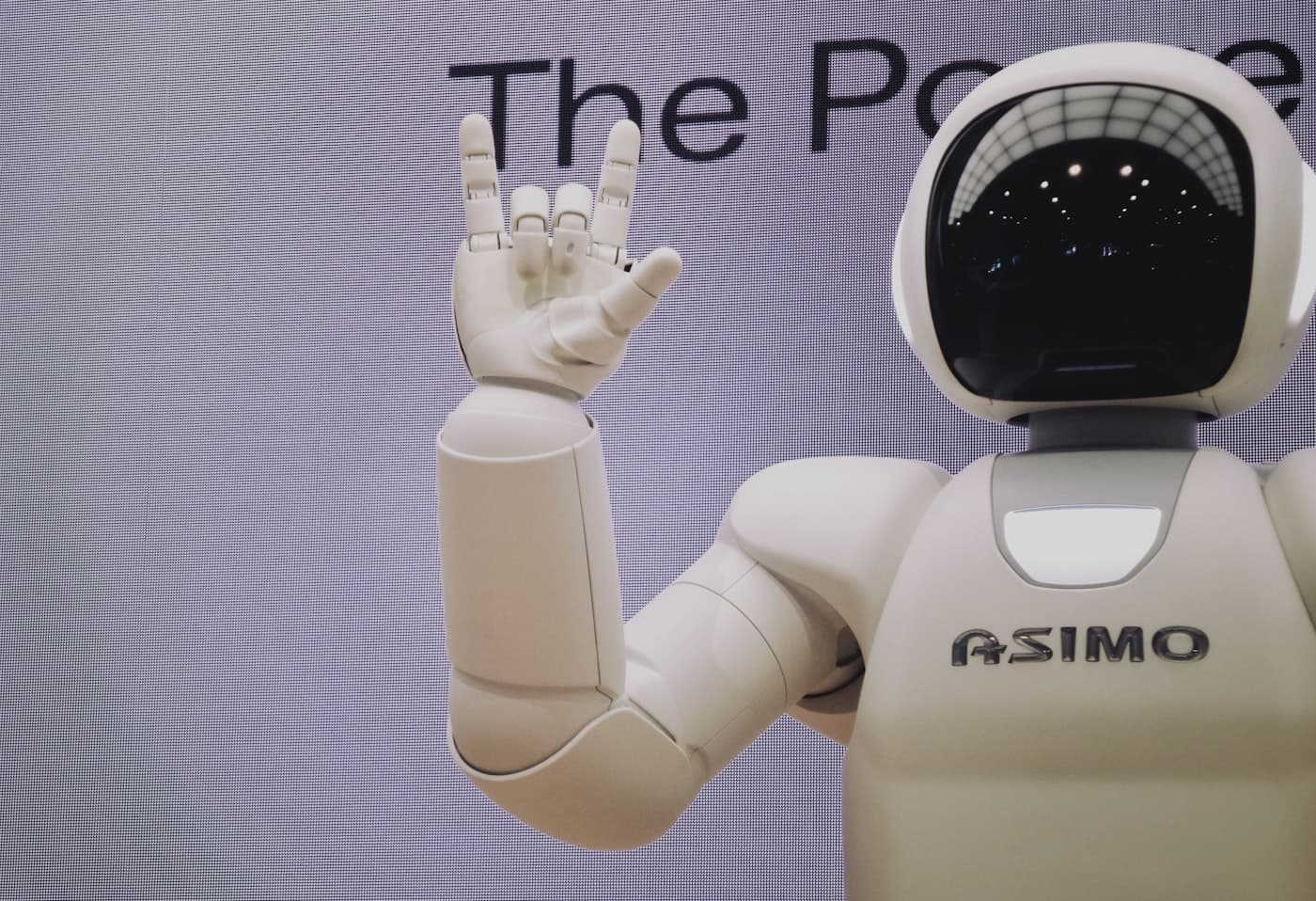
Humanoid and task-specific robots are reaching the price and reliability where warehouses, not just research videos, are the buyers. The bottleneck shifted from hardware to the software stack that lets a robot generalize across messy real-world variation.
4. Quantum stops being a punchline
Error correction crossed a credibility threshold. We are still years from general-purpose quantum advantage, but specific problems — materials simulation, certain optimizations — are now genuinely on the near horizon rather than the perpetual "ten years away."
5. The connected planet
Satellite constellations and 5G-advanced closed the last coverage gaps. A truly global, low-latency network changes which products are even possible — logistics, remote work, and disaster response all inherit the upgrade.
6. Security becomes an arms race
Every capability above is dual-use. AI that writes code also writes exploits; edge devices multiply the attack surface; quantum threatens today's encryption. Defensive tooling is racing to keep pace, and "assume breach" is now the default posture.
Post-quantum is not optional
Data stolen today can be decrypted later once quantum matures. Migrate long-lived secrets to post-quantum cryptography now, not in 2030.
7. Developer tooling collapses the stack
The gap between idea and running software keeps shrinking. A single engineer with the right agents now ships what a team shipped five years ago. The scarce skill is no longer typing code — it is knowing what to build and how to verify it.
// 2026: describe intent, verify output
const article = await agent.write({
  topic: 'future of technology',
  tone: 'grounded',
  verify: (draft) => draft.claims.every(factCheck),
});

await publish(article); // human still owns the 'go' button
8. The human layer
The most underrated trend is not technical at all. As machines absorb routine work, judgment, taste, and trust become the differentiators. The winners of 2026 pair aggressive automation with humans firmly in the loop where it counts.
So what should you actually do?
- Adopt agentic workflows for real tasks, but keep a human approval gate
- Design edge-first; treat the cloud as escalation, not default
- Start your post-quantum crypto migration for anything long-lived
- Invest in verification — the bottleneck is trust, not generation
The takeaway
2026 is not about one breakthrough. It is about several mature technologies arriving together — and the teams that compose them thoughtfully will pull ahead.
The future is not a single door you walk through. It is a set of forces you learn to steer. The tools are here. What you build with them is the only question left.